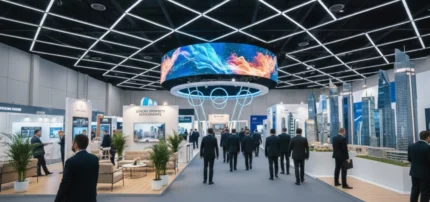
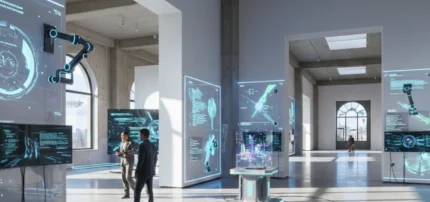
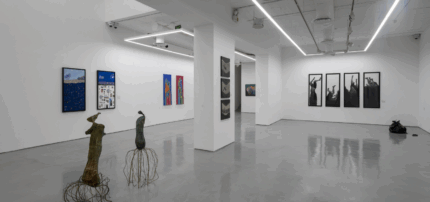
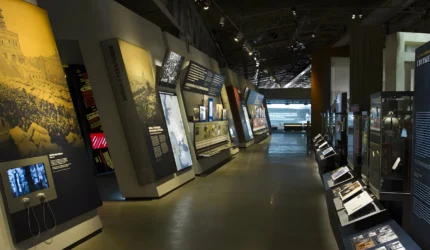
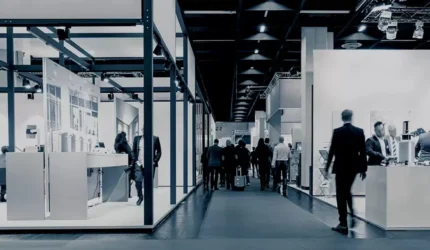
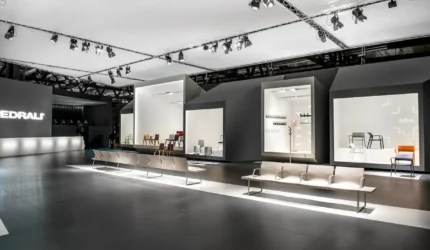
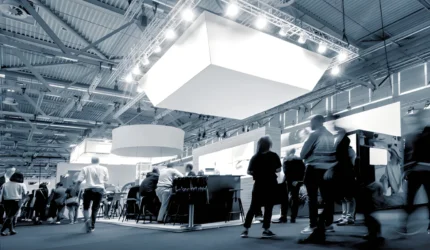
Exhibition management is not just about organizing an event; it is a comprehensive process that requires careful planning, professional execution, and a deep understanding of the target audience.
The first step is to define a clear objective for the exhibition—whether it is to increase sales, enhance brand awareness, or build a strong network of relationships. A clear goal helps guide all subsequent decisions effectively.
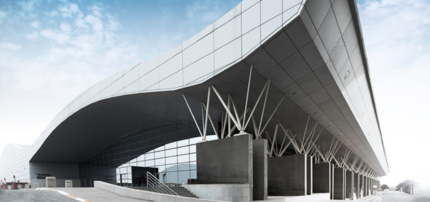
Next comes choosing the right location and timing. The venue should be easily accessible and suitable for the target audience, while timing plays a key role in ensuring strong attendance.
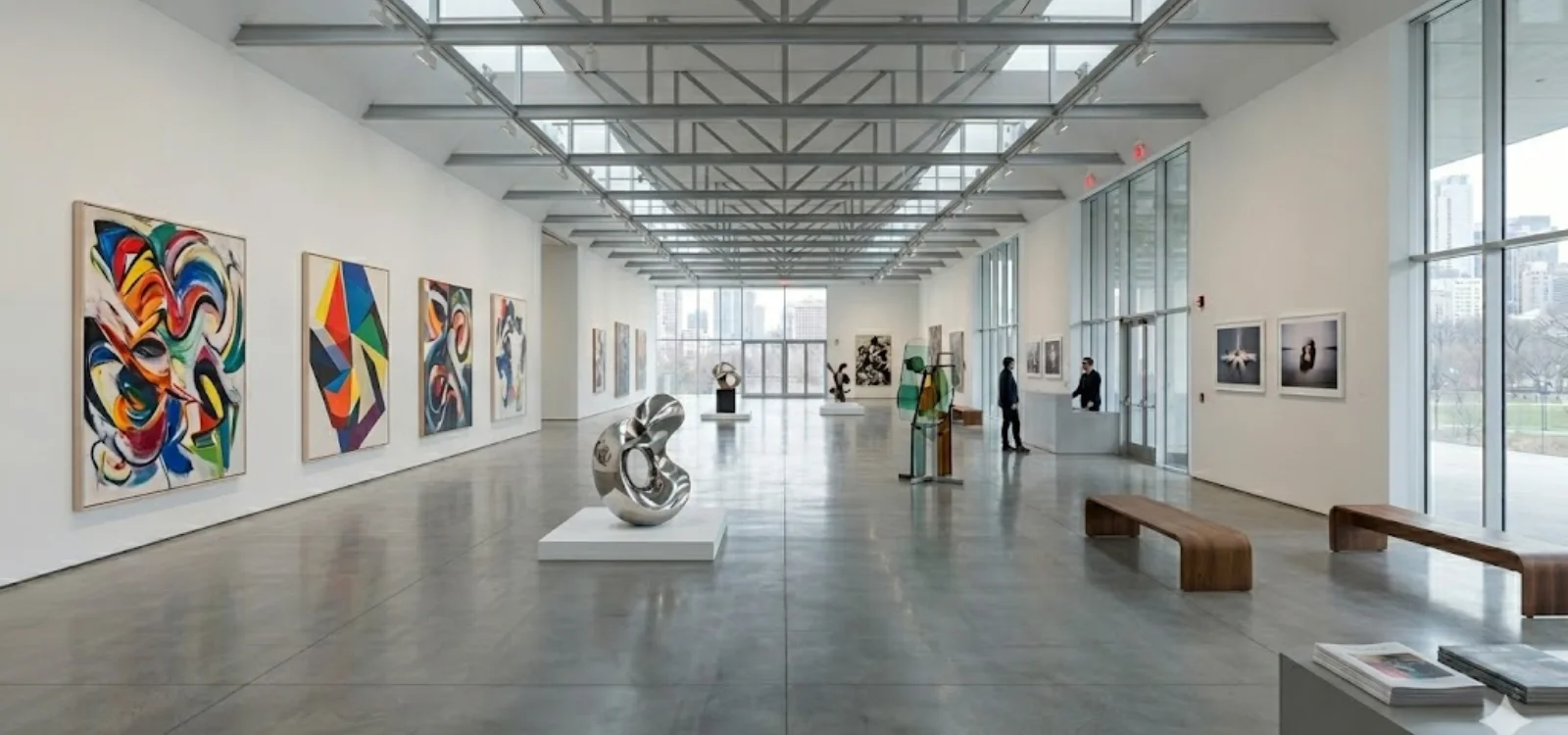
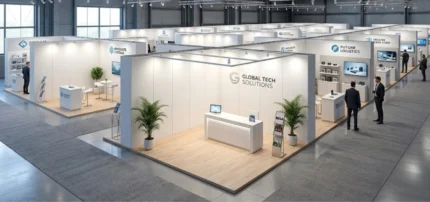
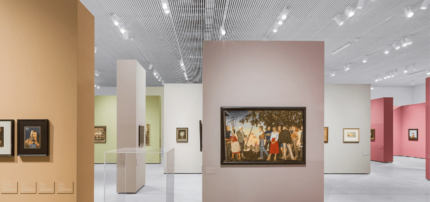
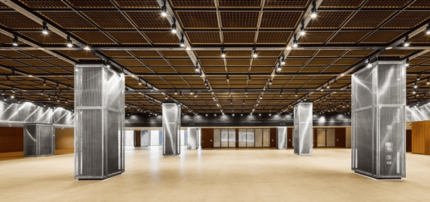
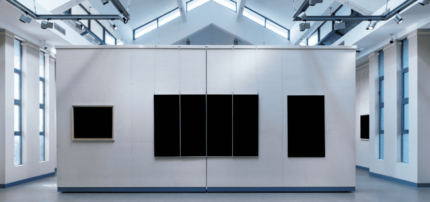
Visitor experience is one of the most critical success factors. The smoother the navigation and the clearer the organization, the higher the chances of visitor engagement with exhibitors. Therefore, designing the space properly and providing clear directions is essential.
Careful selection of exhibitors is also important, as it helps create a consistent and high-quality experience. There should be a balance in both the level of quality and the relevance of what is being presented.
Pre-event marketing is just as important as the organization itself. Effective promotional campaigns help attract the right audience and build interest before the event begins.
Finally, post-event follow-up is crucial. Analyzing results, following up with leads, and using collected data all contribute to improving future exhibitions.
A successful exhibition does not happen by chance—it is the result of strategic planning, organized execution, and a genuine focus on delivering a great visitor experience.