How to Organize a Successful Exhibition
Organizing an exhibition is one of the most effective marketing tools that allows companies to showcase their products and services directly to their target audience. However, the success of an exhibition depends not only on selecting a venue or inviting visitors but also on careful planning and professional execution to achieve the desired objectives.
1. Define the Exhibition Goals
Before starting the planning process, it is essential to determine the primary objective of the exhibition. Whether the goal is to increase sales, enhance brand awareness, launch a new product, or build business relationships, having clear objectives helps guide all organizational decisions.
2. Choose the Right Venue and Timing
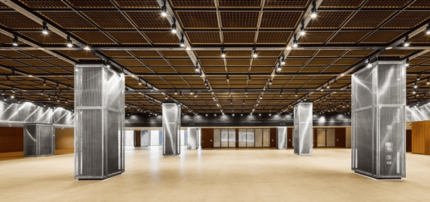
Selecting the right venue is a key factor in the success of any exhibition. The location should be easily accessible and equipped with the facilities required for both exhibitors and visitors. It is also important to choose a date that does not conflict with major events or holidays that may affect attendance.
3. Develop a Comprehensive Event Plan
A well-structured plan helps organize tasks, assign responsibilities, manage the budget, and establish timelines. Proper planning minimizes risks and ensures smooth coordination throughout the event.
4. Promote the Exhibition Effectively
Even the best exhibition may not achieve its goals without a strong marketing strategy. Social media, email marketing, digital advertising, and public relations activities can help attract the target audience and increase visitor attendance.
5. Focus on the Visitor Experience
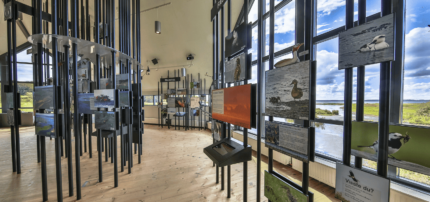
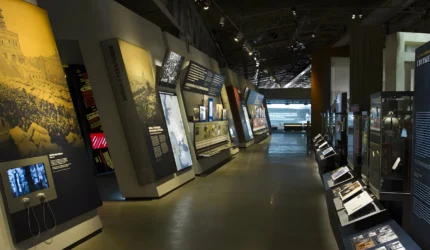
The visitor experience plays a major role in the overall success of the exhibition. Clear signage, organized reception areas, comfortable facilities, and easy navigation between booths help create a positive and memorable experience.
6. Create Attractive Booths and Presentations
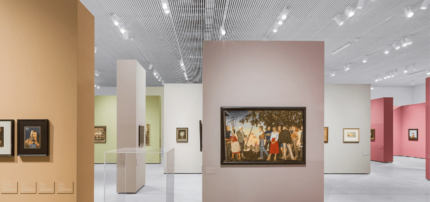
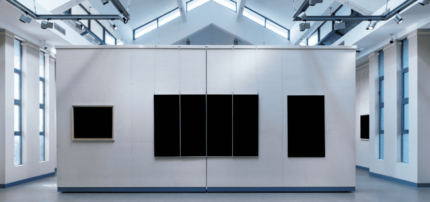
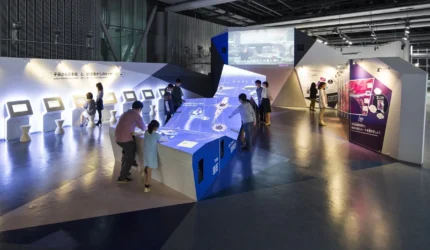
Exhibition booths should be visually appealing and reflect the brand identity professionally. Interactive displays, multimedia presentations, and promotional materials can help attract attention and engage visitors effectively.
7. Train the Event Team
The event team represents the face of the exhibition. Staff members should be trained to welcome visitors, provide information, answer questions, and handle various situations with professionalism.
8. Evaluate Results After the Exhibition
The work does not end when the exhibition closes. It is important to collect data, analyze performance, and measure the achievement of objectives. Following up with potential clients met during the event can also help convert leads into business opportunities.
Organizing a successful exhibition requires a combination of strategic planning, professional execution, and attention to detail. When these elements are managed effectively, an exhibition becomes a valuable opportunity to strengthen market presence, build relationships, and achieve significant business results.