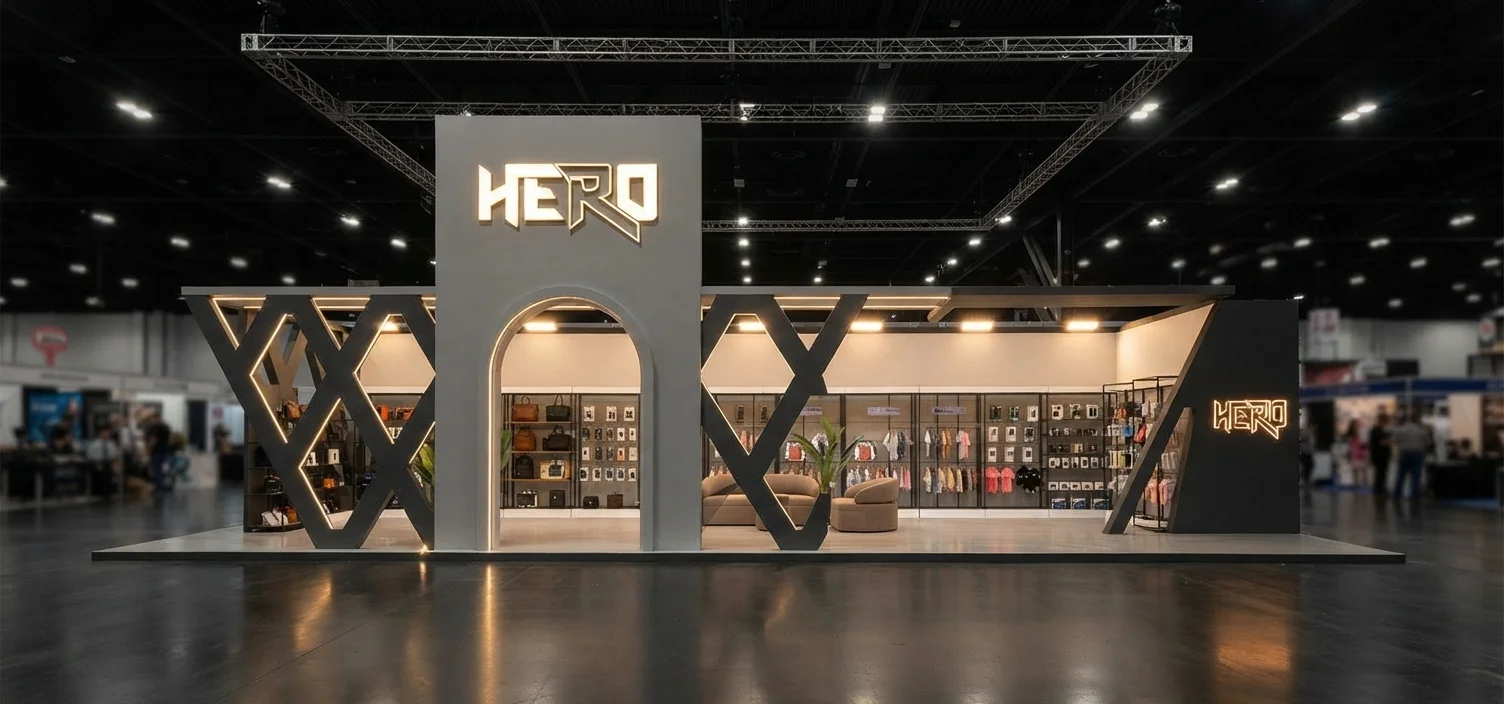
How to Organize a Successful Exhibition That Attracts Companies and Visitors
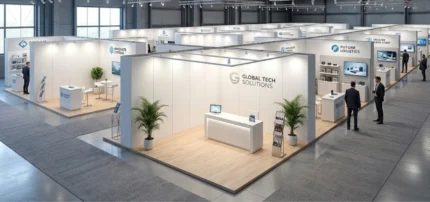
The success of an exhibition is not measured by the number of booths or the size of the venue.
A successful exhibition is one that creates real value for participating companies and an experience worth attending for visitors.
And that starts long before the opening day.
1. Choose the Right Industry
Before taking any step, it is essential to study the market and clearly define the industry the exhibition will target.
Is there real demand?
Are there enough companies interested in participating?
Is there a genuine audience interested in the industry?
Choosing a strong, active, and growing industry increases the exhibition’s chances of becoming a sustainable event rather than simply achieving a successful first edition.
2. Define Who You Want to Bring Together
A successful exhibition connects the right people and the right businesses.
Participating companies should be relevant to the target audience, while visitors should have a clear reason to attend.
Because having 100 companies is not necessarily better than having 50 if those 50 are the ones that truly matter to the market.
3. Give Companies a Clear Reason to Participate
A company will not participate simply because an exhibition exists.
It needs to know:
Who will it meet?
Who will it reach?
What opportunities can it gain?
The clearer the value of participation, the easier it becomes to attract the right companies.
4. Create an Experience, Not Just an Exhibition Space
Visitors should not simply walk around, see the booths, and leave.
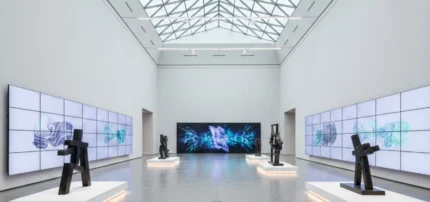
An exhibition can offer valuable content, meetings, panel discussions, live experiences, and networking opportunities with companies and industry experts.
Every detail contributes to the visitor experience, from registration and entry to navigation and interaction throughout the exhibition.
5. Start Marketing Well Before the Event
One of the most common mistakes is starting the promotion shortly before the exhibition.
A successful exhibition needs a communication strategy that builds awareness over time:
What is the exhibition?
Who is participating?
Why should visitors attend?
What will they gain from it?
Marketing should go beyond announcing the date and venue. It should clearly communicate the value the exhibition offers.
6. Technology Is Now an Essential Part of Exhibition Management
From online registration and visitor data management to QR codes, access systems, exhibitor communication, and post-event analytics.
Technology does more than simplify operations. It also helps organizers understand who attended, what they were interested in, and how these insights can be used to improve future editions.
7. True Success Is Measured After the Exhibition
The end of the exhibition does not mean the end of the event.
The most important stage is evaluating the results:
- Number and quality of participating companies
- Number and quality of visitors
- Meetings and opportunities generated
- Exhibitor and visitor satisfaction
- Media coverage and engagement
- Opportunities that can be developed for future editions
Because a successful exhibition is not simply one that ends well…
It is one that leaves behind relationships, opportunities, and measurable results.
Organizing a successful exhibition requires much more than a suitable venue and a large number of companies.
It is a complete process that starts with understanding the market, selecting the right industry and audience, creating real value for exhibitors and visitors, and ends with measuring the results and using those insights to improve future editions.
When every participant leaves the exhibition feeling that they gained real value, that is when we can truly say the exhibition was successful.