
Successful Exhibition Designs: Strategies and Practical Examples
Exhibition designs are essential tools for companies and organizations to connect with their target audiences. With increasing competition in this field, effective exhibition design has become a key factor in achieving success. Creating a successful exhibition requires a blend of creativity, strategic planning, and an understanding of visitor needs. In this article, we will explore the main strategies for designing successful exhibitions, along with practical examples that highlight the importance of these strategies in achieving exhibition goals.
First: Strategies for Successful Exhibition Design
1.Understanding the Target Audience
A successful exhibition design begins with a deep understanding of the needs and expectations of the target audience. The design should reflect the company’s values and message in a way that resonates with visitors.
- Strategy: Use a modern and playful design to attract a younger demographic.
- Practical Example: A video game company creates an interactive area where visitors can try out games firsthand.
2.Innovative Space Planning
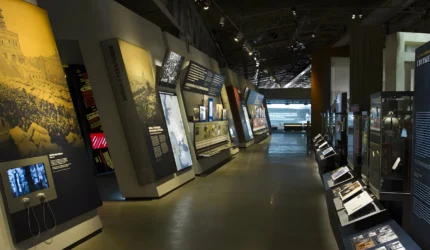
Good spatial planning ensures smooth visitor flow and easy exploration of all exhibition sections.
- Strategy: Arrange display stations to encourage interaction.
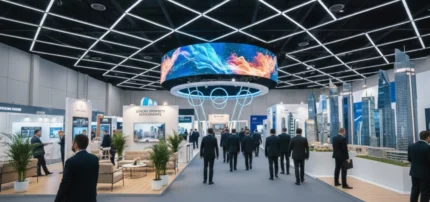
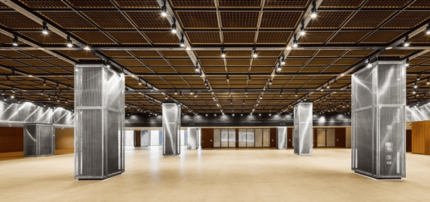
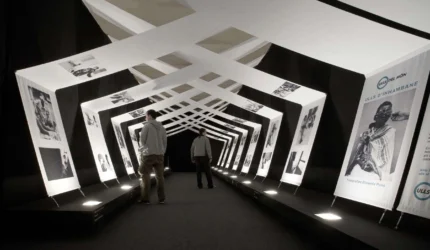
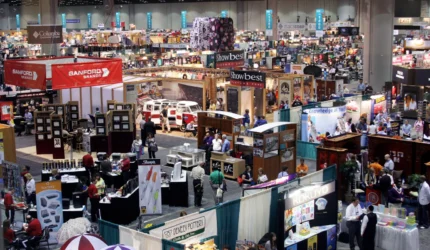
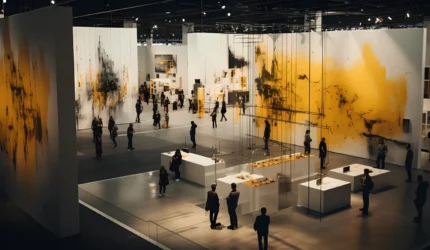
- Practical Example: An open exhibition design with a clear path that starts from a welcoming entrance and smoothly guides visitors through all sections.
3.Focusing on Visual Identity
The exhibition design should directly reflect the brand’s identity.
- Strategy: Use the company’s colors and logos in a cohesive manner.
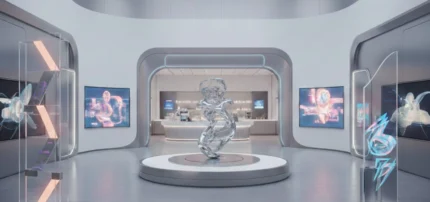
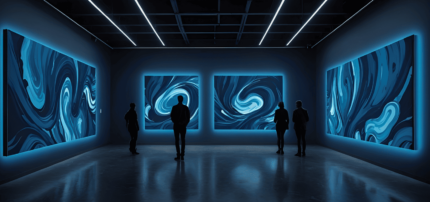
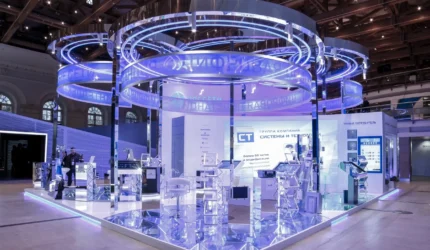
- Practical Example: A tech company uses futuristic colors and LED lighting to highlight innovation.
4.Integrating Interactive Technology
Technology is a prominent element in modern exhibition design, enhancing the visitor experience.
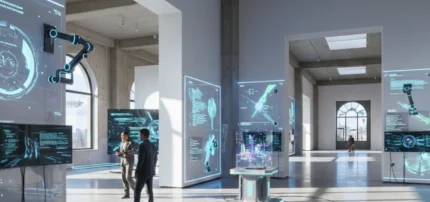
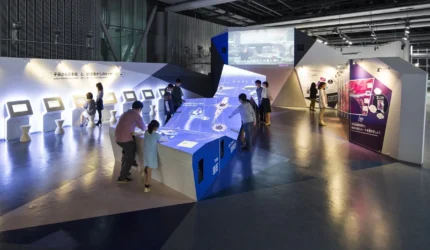
- Strategy: Provide interactive screens or customized apps for the exhibition.
- Practical Example: A medical exhibition features screens that explain how medical devices work in an interactive way.
5.Offering a Multi-Sensory Experience
Visitor experiences are more impactful when they engage multiple senses (sight, sound, touch, and even smell).
- Strategy: Create an immersive environment that enhances the visitor experience.
- Practical Example: A fragrance exhibition includes sections for smelling different scents, accompanied by visual and audio presentations.
Second: Practical Examples of Successful Exhibition Designs
1.CES (Consumer Electronics Show)
- Challenge: Present modern technologies in a way that highlights each product distinctly.
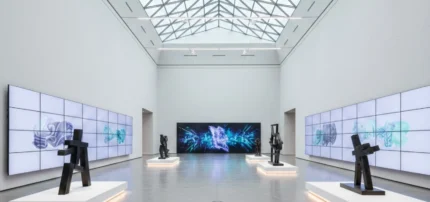
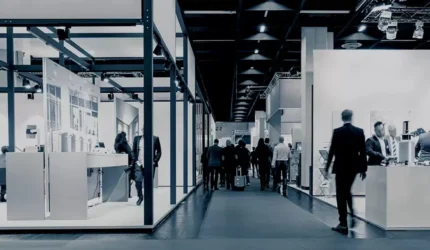
- Solution: Utilize open spaces and large screens displaying videos for each product, along with interactive visitor experiences.
- Result: Attract millions of visitors annually and generate global interest in new technologies.
2.Expo 2020 Dubai
- Challenge: Design multiple pavilions representing different countries in an innovative manner.
- Solution: Implement unique designs for each pavilion that reflect the identity and culture of the country, incorporating virtual reality and light shows.
- Result: Create a rich and diverse experience for visitors, enhancing the event’s global significance.
3.Salone del Mobile in Italy
- Challenge: Showcase furniture designs in a way that highlights details and aesthetics.
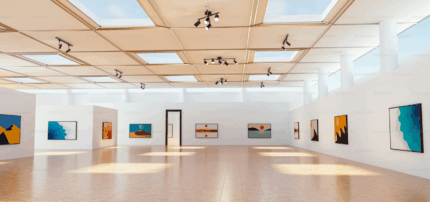
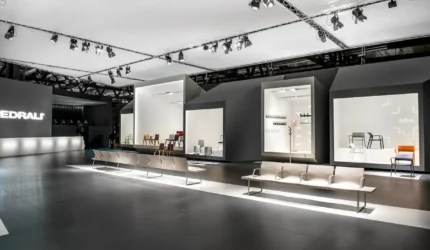
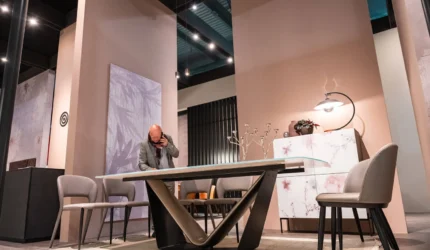
- Solution: Use thoughtful lighting and smart arrangement of pieces to create a comfortable and luxurious experience for visitors.
- Result: Annual success that attracts designers and design enthusiasts from around the world.
Third: Tips for Creating a Distinctive Exhibition Design
- Simplicity and Clarity: The design should be straightforward and easy to understand, allowing visitors to access information without confusion.
- Time Management: Allocating sufficient time for exhibition preparation ensures high-quality execution of the design.
- Attention to Detail: Small details, such as lighting or material choices, significantly impact the visitor experience.
- Measuring Success: Analyzing exhibition performance through visitor feedback or monitoring interaction within the space helps improve future designs.
Designing successful exhibitions requires a delicate balance between creativity and strategic planning. By understanding the target audience, integrating technology, and focusing on visitor experiences, companies can effectively achieve their commercial and marketing goals. As tools and technologies continue to evolve, innovation remains the cornerstone of creating exhibitions that achieve success and leave a lasting impact.