Introduction
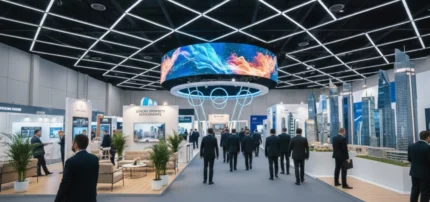
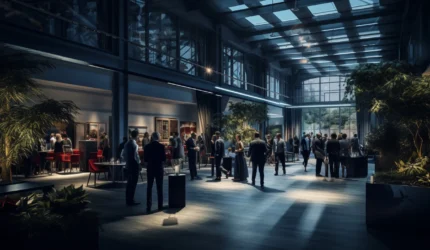
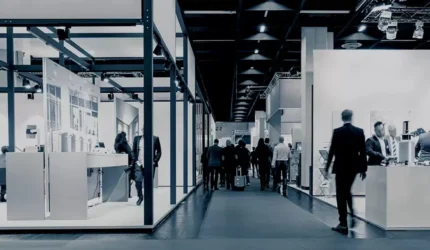
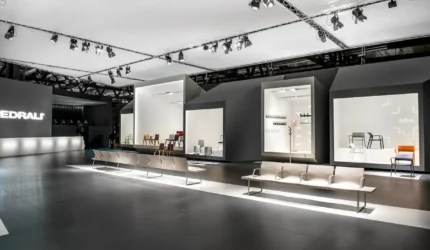
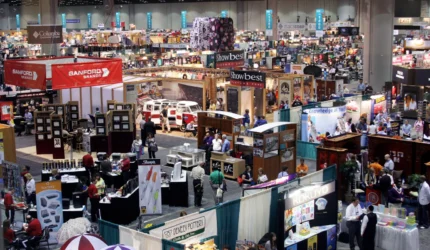
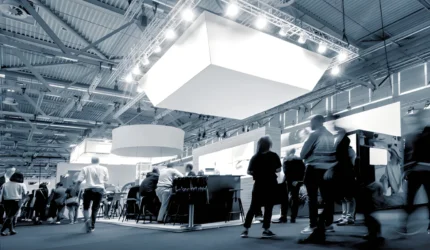
Trade fairs are among the most powerful modern tools for business promotion and cultural exchange. They give companies and organizations a platform to showcase their products and services to a wide audience of visitors and investors. But their value goes far beyond direct sales — fairs create connections, encourage knowledge sharing, and open doors to new markets.
Types of Trade Fairs
Fairs vary depending on their goals and the industries they serve. The most common types include:
-
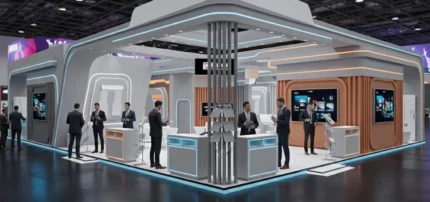
Commercial Fairs: Focused on presenting products and services, signing deals, and building partnerships between suppliers, businesses, and clients.
-
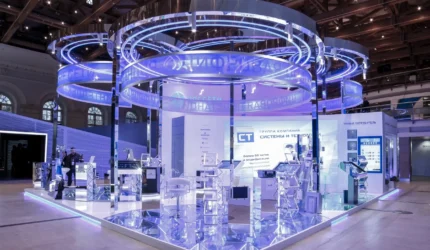
Industrial Fairs: Dedicated to showcasing technology, machinery, and production lines — often aimed at manufacturers and investors.
-
Real Estate Fairs: Among the most active in recent years, these bring together developers, investors, and clients seeking housing or investment opportunities.
-
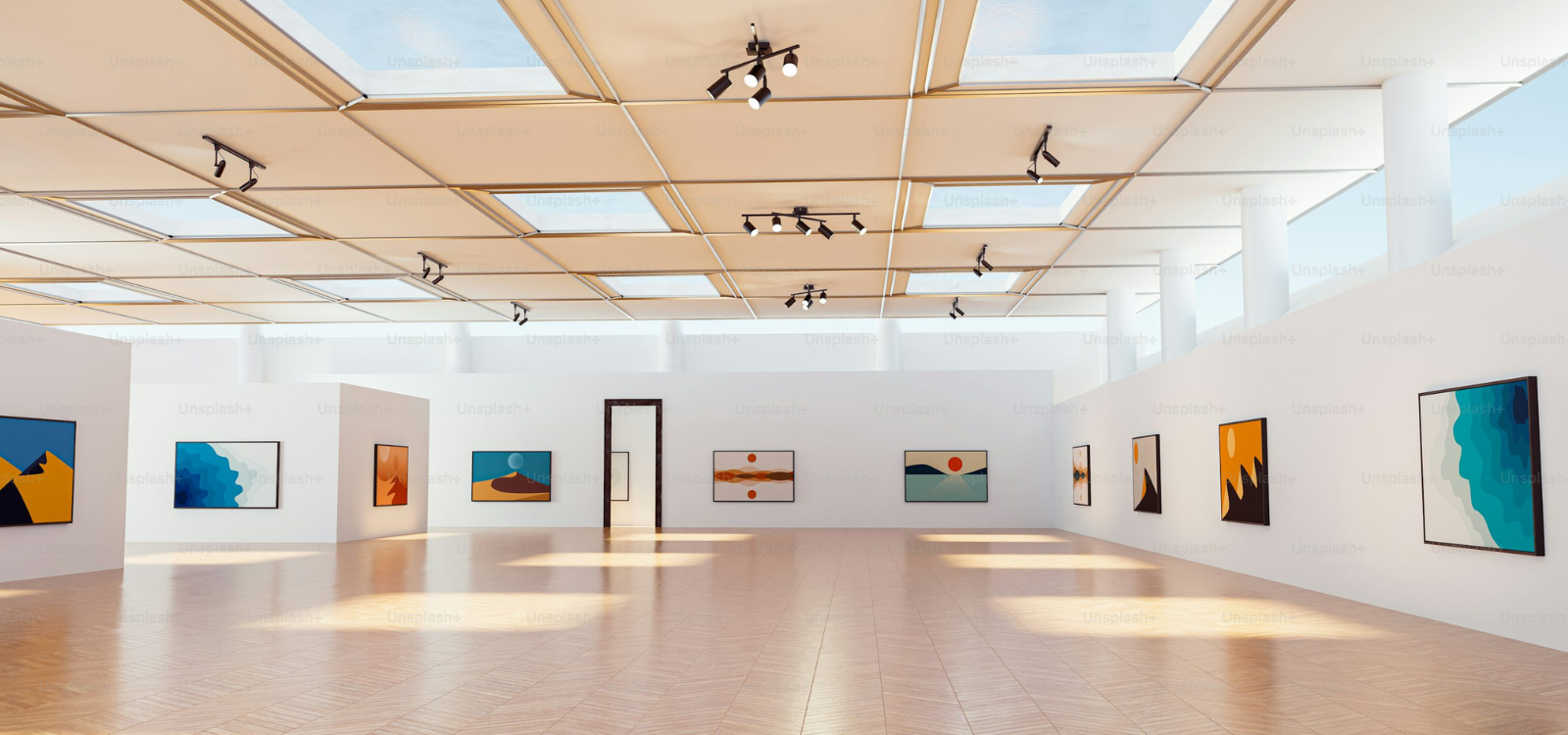
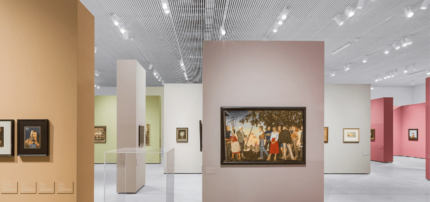
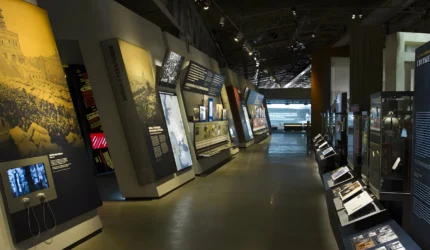
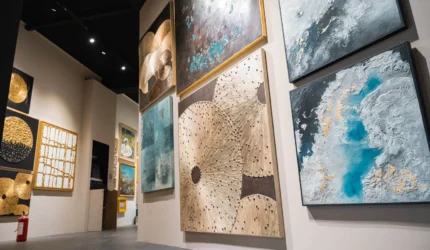
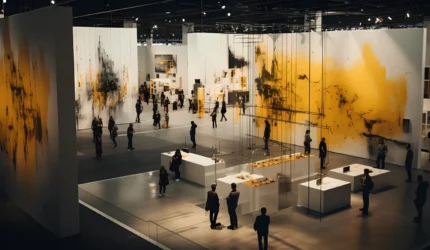
Cultural and Art Fairs: Designed to promote cultural interaction and creativity, fostering dialogue and mutual understanding between societies.
Objectives of Trade Fairs
Trade fairs serve several strategic purposes, such as:
-
Promoting products and services directly to the public.
-
Building new channels for cooperation between local and international businesses.
-
Attracting foreign investment by highlighting market potential.
-
Strengthening brand identity and customer trust.
-
Stimulating local economies through increased demand and temporary job creation.
Why Fairs Matter for Companies
For businesses, fairs represent a unique opportunity to:
-
Receive direct feedback from potential customers.
-
Observe and analyze competitors closely.
-
Gather real market insights to refine their products.
-
Build long-term professional networks.
Technology’s Role in Modernizing Fairs
Technology has become a core part of the exhibition industry. It has made it possible to:
-
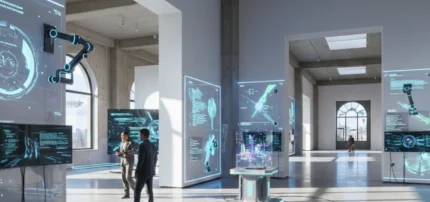
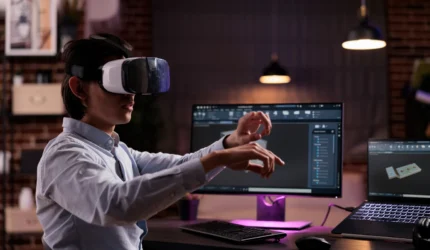
Organize virtual fairs that connect people from anywhere in the world.
-
Enhance visitor experience through smart apps and digital registration systems.
-
Analyze visitor data to better understand audience behavior and shape future marketing strategies.
Conclusion
Fairs are not just temporary events — they are dynamic platforms for communication, innovation, and economic progress. Every successful fair drives the market forward, supports industries, and strengthens a company’s presence both locally and internationally.
That’s why careful planning and professional management are key to making the most of these events — for exhibitors, organizers, and the national economy alike.