The Role of Lighting and Decor in Creating an Inspiring and Attractive Exhibition Environment
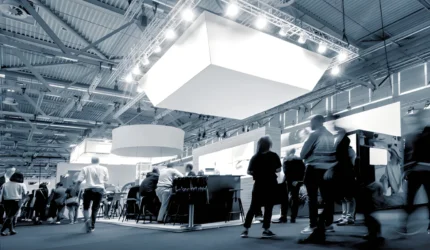
Lighting and decor are essential elements in exhibition design, playing a crucial role in creating a rich and distinctive experience for visitors. Designing an inspiring and attractive environment involves more than just showcasing products or services; it also requires achieving a visual and psychological impact that connects visitors with the brand. In this article, we will explore the importance of lighting and decor in exhibition design and how they can be effectively utilized to create an inspiring and engaging environment.
1. The Importance of Lighting in Exhibition Design
1.1 Highlighting Key Elements
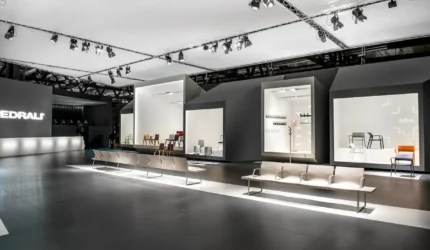
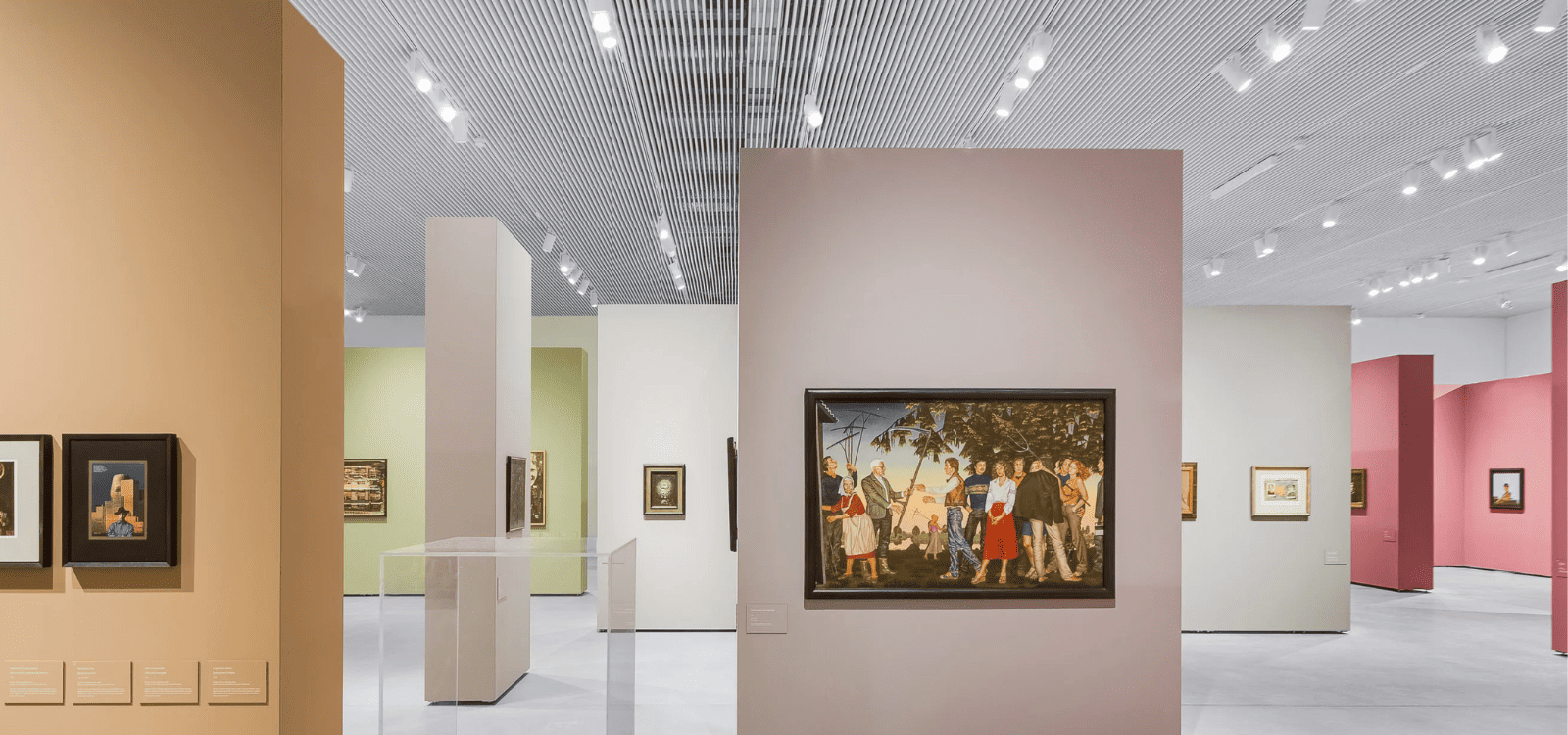
Lighting is used to draw visitors’ attention to important products or sections of the exhibition. Focused lighting helps to emphasize intricate details and encourages exploration of significant elements.
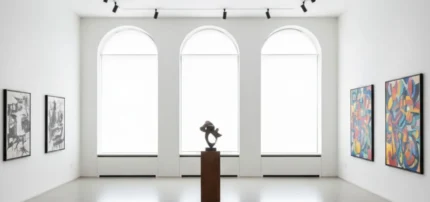
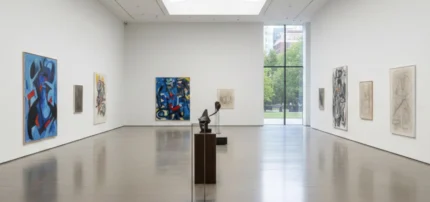
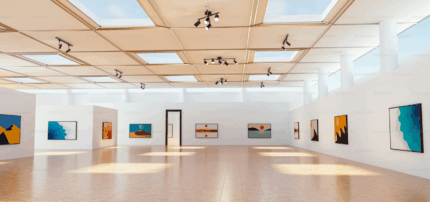
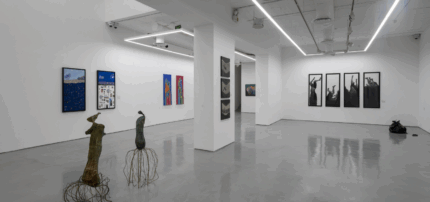
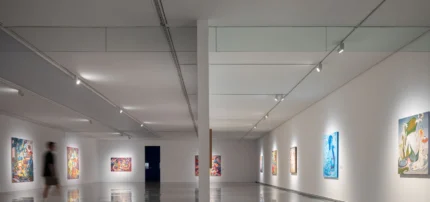
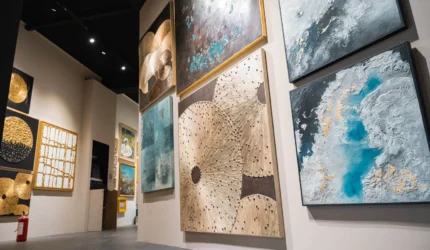
Practical Example: Using spotlights to illuminate artwork in an interior design exhibition.
1.2 Enhancing the Visitor Experience
Lighting can enhance the effects of colors and materials used in the design, making the environment more dynamic and appealing. Soft lighting creates a comfortable atmosphere, while vibrant lighting grabs attention and stimulates interaction.
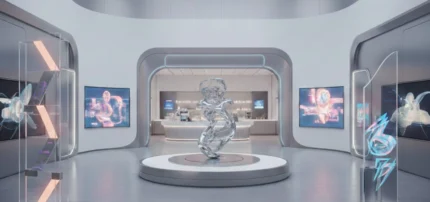
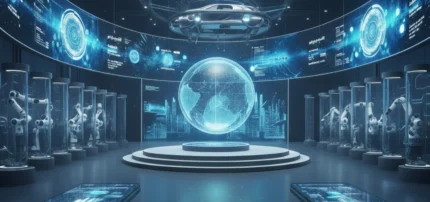
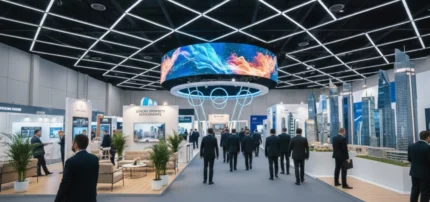
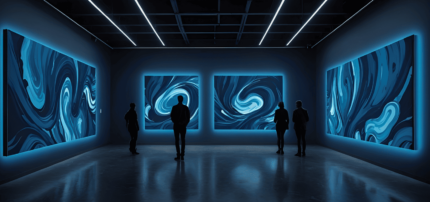
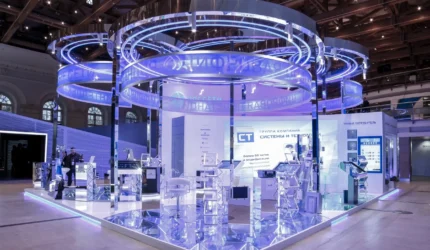
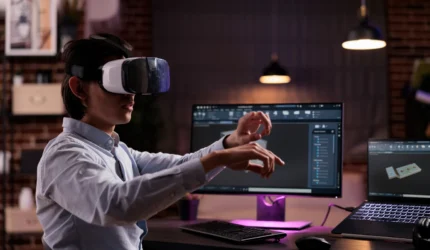
Practical Example: In technology exhibitions, colorful LED lighting is used to showcase innovation and modern technologies.
1.3 Creating a Strong First Impression
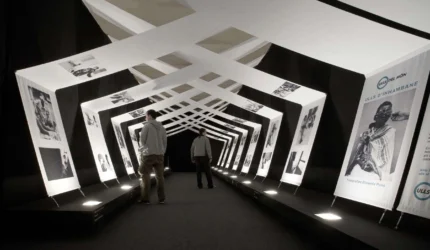
A well-lit exhibition entrance leaves a lasting first impression on visitors. Lighting can be used to create an immersive entry experience that invites exploration.
Practical Example: An entrance at a fashion exhibition illuminated with changing patterns that reflect the movement of fabrics or designs.
2. The Role of Decor in Enhancing Inspiration and Appeal
2.1 Reinforcing Brand Identity
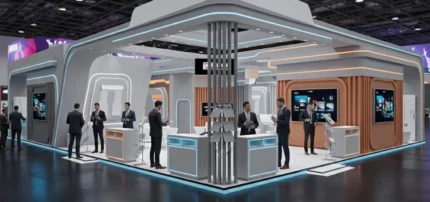
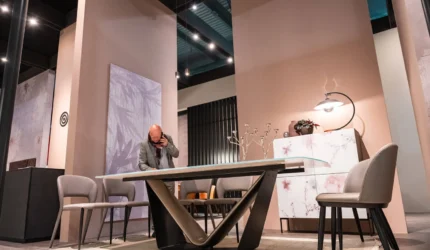
Decor serves as a powerful tool to embody a brand’s identity. The chosen colors, materials, and shapes express the brand’s personality and values.
Practical Example: A sustainable company uses recycled materials and natural colors in its exhibition stand to showcase its commitment to the environment.
2.2 Creating an Interactive Environment
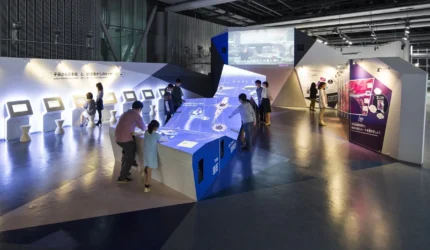
Interactive decor designs encourage visitors to engage and interact with the exhibition content. Elements like hand-painted walls or interactive art pieces attract visitors and promote participation.
Practical Example: An art exhibition allows visitors to contribute to completing an interactive mural as part of the experience.
2.3 Improving Flow and Navigation
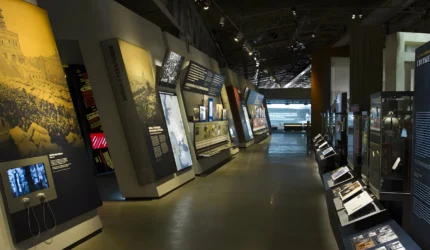
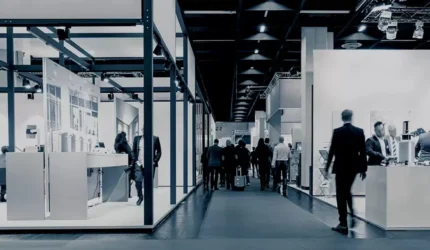
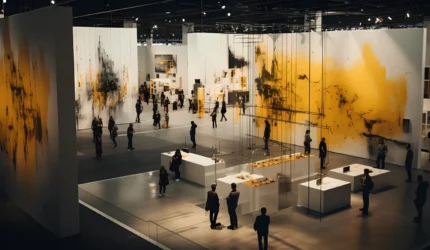
Thoughtful decor planning ensures smooth visitor movement within the exhibition. A well-organized layout of furniture and decorative elements encourages visitors to explore every corner without feeling crowded.
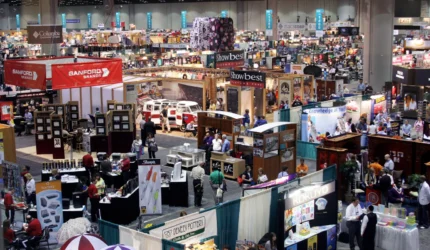
Practical Example: A trade exhibition utilizes clear pathways and decorative partitions to delineate spaces effectively.
3. Integrating Lighting and Decor for an Inspiring Environment
3.1 Combining Lighting with Natural Materials
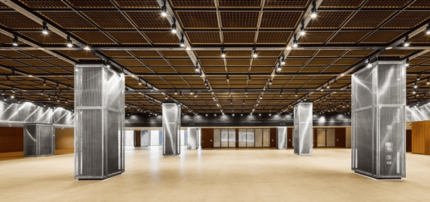
Lighting can accentuate the beauty of natural materials used in decor, such as wood or stone, creating an environment that blends luxury with nature.
Practical Example: An exhibition uses warm lighting to highlight handcrafted wooden furniture pieces.
3.2 Integrating Dynamic Lighting with Bold Designs
Dynamic lighting, which changes based on visitor movement, adds an element of surprise to the design. When paired with bold decor, it creates an unforgettable experience.
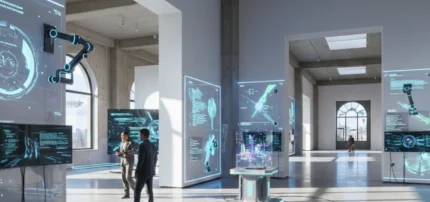
Practical Example: A tech exhibition features illuminated walls that respond to visitor movements, displaying changing messages or images.
3.3 Utilizing Natural Light
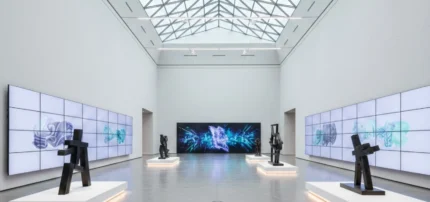
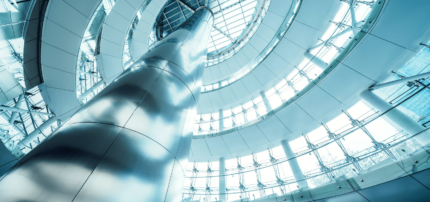
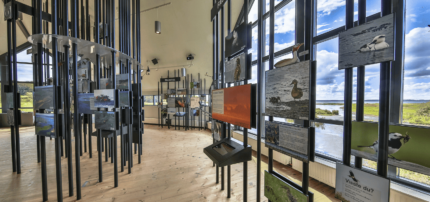
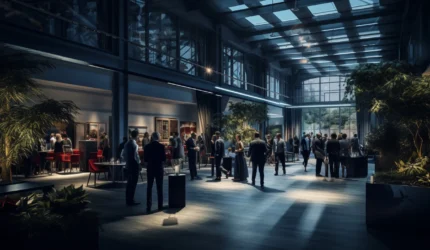
Combining natural light with artificial lighting enhances the sense of comfort and openness within the exhibition. This can be achieved through large windows or transparent ceilings.
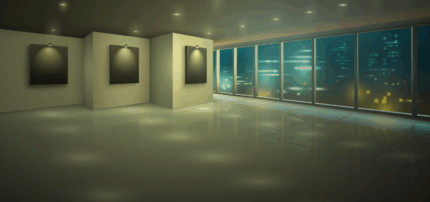
Practical Example: An exhibition inspired by nature relies on a glass ceiling to bring in natural light, complemented by soft artificial lighting at night.
Lighting and decor are not merely aesthetic elements in exhibition design; they are strategic tools that significantly impact the visitor experience. By using lighting to direct attention and create distinctive atmospheres, and designing decor that reflects brand identity and fosters interaction, exhibitions can achieve an inspiring and attractive environment that leaves a profound impression on visitors. Innovation in integrating these elements is the key to the success of any exhibition in today’s world.